History of Dubrovnik
The origins of Ragusa date back to the 7th century. Uncover the fascinating past of this city in the Adriatic which has survived the rule of the Venetians, the 1991 siege and is now a tourism hotspot.
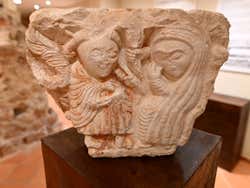
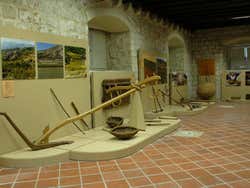
The earliest records of the ancient city of Ragusa, now known as Dubrovnik, date back to the 7th century AD. However, recent archaeological discoveries, like Iron Age jewelry and Greek coins from the 3rd century BC, suggest that the area was settled much earlier. These fascinating artifacts are now on display at the Dubrovnik Archaeological Museum.
Origins of Ragusa
At the beginning of the 7th century, a colony from the ancient Roman city of Epidaurus fled from Slavic attacks in this part of southern Greece and took refuge on the island of Laus, which in Greek means “the rock”. The inhabitants of this new city became known as “lausaiaoi”, which later evolved into Ragusa.
Over time, Slavic peoples from the Balkans came to this new centre on the Adriatic Sea and the mixing of languages gave rise to the term Dubrovnik, which means “oak forest”.
Under the Rule of Other Empires
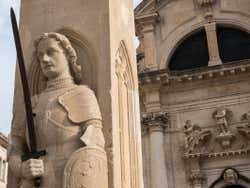
From the 9th century onwards, Ragusa became part of the Byzantine Empire, although it enjoyed a certain degree of independence. The city grew to become one of the most prosperous ports on the Adriatic. Symbolic buildings such as Rector's Palace, Onofrio's Large Fountain and Sponza Palace were built during this period.
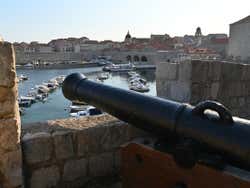
For almost four centuries, Dubrovnik gained importance over the rest of the cities on the Dalmatian Coast. Naturally, so did the city's enemies along with it. In the 13th century, Dubrovnik's walls began construction to protect the city from imminent external attacks.
The main competition for maritime power at the time was Venice, key in the commercial routes of the Mediterranean. After conquering other nearby cities, Venice invaded Dubrovnik in 1205.
With the sole objective of retaining commercial and political control, Dubrovnik accepted the religious imposition of the Church and adopted the Italian language. While Venice later when on to engage Hungary in a fateful war, Dubrovnik kept expanding into the Mediterranean, until 1358 when they completely freed themselves from Venetian reign.
Dubrovnik's Golden Age
However, this peace was shortlived in the “Pearl of the Adriatic." In 1364, Turkish troops tried to annex Ragusa but, thanks to the diplomats in the city, Dubrovnik and the Byzantine Empire signed the first accord between a Christian and Muslim state—peace in exchange for an annual tribute. Thus, the Republic of Ragusa was born.
Incredibly, this small city came out victorious in its struggle against both Western and Eastern interests. From that point on, the old Ragusa rose to rival the great Italian maritime republics, boasting a fleet of 200 ships. Combined with its progressive system of governance, this earned Dubrovnik the nickname “The Athens of the Adriatic.”
So renowned was the city for its maritime prowess, that when Christopher Columbus made his first journey to America, two sailors from Dubrovnik were a part of his crew.
During this golden age of prosperity, the city of Ragusa created its legendary motto that is known by all Croatians today: Non bene pro toto libertas venditur auro, “freedom is not for sale for all the gold in the world”.
End of the Republic of Ragusa
The largest natural disaster in the history of Dubrovnik was the 1667 earthquake, which killed 40% of the population and caused irreparable damage. Many of the Roman and Gothic buildings in the city were destroyed, leading to the Baroque style of the city today.
When the city began recovering its lost splendour, Napoleon's troops arrived and sealed the fate of the Republic of Ragusa. After the fall of the Napoleonic Empire and the Congress of Vienna, Dubrovnik became the Kingdom of Dalmatia, under the Austro-Hungarian Empire. In the 20th century, Dubrovnik was freed from attack during both world wars, but it didn't escape the bombings during the infamous War of Yugoslavia.
From War to Current Day
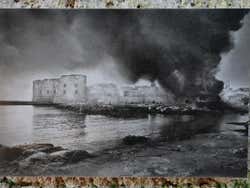
The Kingdom of Yugoslavia remained peaceful until the war in 1991. Serbians and Montenegrins rejected Croatia's declaration of independence, and attacked their neighbour in response. The 1991 Siege of Dubrovnik was the worst attack in its history, destroying historical buildings and killing civilians for six months.
UNESCO declared Dubrovnik an Endangered World Heritage Site until 1998 when it managed to recuperate its cultural heritage. Today, you can still see evidence of these attacks in the city walls, Stradun and other parts of the city. The Homeland War Museum exhibits objects from the war and offers a chronological explanation of this terrible period in Dubrovnik's history.
Today, Dubrovnik has become a top tourist destination and an essential stop-off for cruises around the Mediterranean. In addition, thanks to the great success of Game of Thrones, in recent years, thousands of fans have come to the “Pearl of the Adriatic” to see the original sets of this popular series.